What can you find on poc-radio?
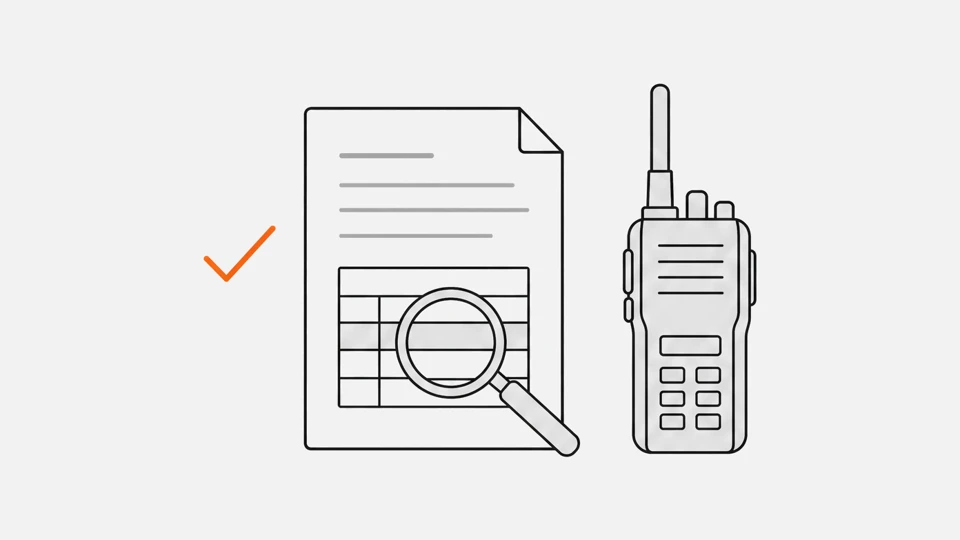
The site has five parts: guides on the basics, comparisons of radio technologies, a database of radios with their specs and LTE bands, push-to-talk software compared on the same points, and free tools such as an LTE band checker. Everything is free to read and needs no account.
- Learn — what PoC, push-to-talk, DMR and PMR446 are, in plain words.
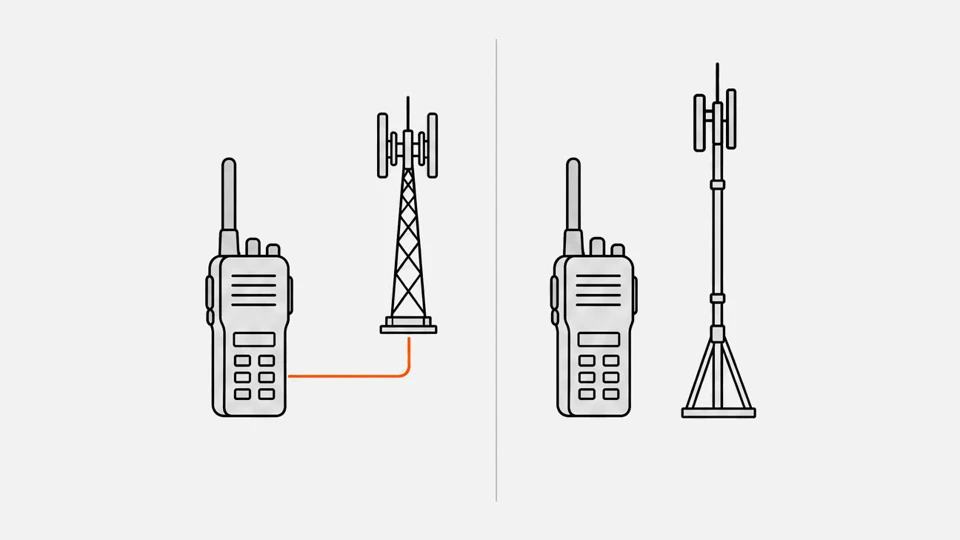
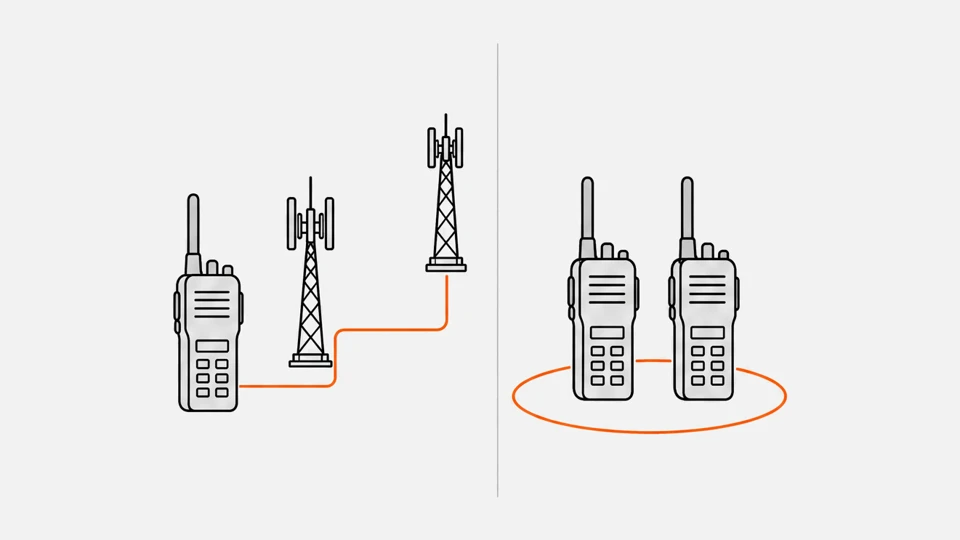
- Compare — PoC against DMR, PMR446 and other ways to talk.
- Radios — specs, LTE bands and sources for 354 radio models from 53 makers.
- Software — push-to-talk platforms compared on the same points.
- Tools — an LTE band checker, a range estimator and a radio simulator.
Who makes poc-radio?
Max Streltcoff makes poc-radio and checks its pages. He also builds Privox, a push-to-talk service. On this site Privox is one platform among the others, described by the same rules as Zello, RealPTT or TASSTA: facts with sources, no rankings, no special place. His author page tells how he got into radio.
How does poc-radio work?
Every fact starts in a source and goes through four steps before it reaches a page. Where sources disagree, the page shows both values. Text uses plain words first and technical detail after. The verification page describes each step and the records behind it.
- Read the sourceA maker's page or manual, a regulator, a standard or a vendor's documentation.
- Record the valueEach value goes on a card with its source. No source, no value.
- CompareValues from different sources are set side by side, and disagreements are kept.
- Write and datePlain words first, numbers with units, and an Updated date on every page.
Does anyone pay for coverage on poc-radio?
No. The site has no ads, no paid placements, no affiliate links and no shop. A maker or vendor cannot buy a page, a place in a list or a changed value. They can report an error; we check it against the sources and correct it when the sources support the change.
What does poc-radio not do?
poc-radio does not test radios. We have no test radios, so the site has no lab measurements of its own. It does not sell radios either. What it adds is published data, checked and set side by side: sources with their disagreements, band matches between radios and operators, and our own drawings.
How do I contact poc-radio?
Questions and corrections go to one address. When you report an error, send the page link, the value you think is wrong and a source if you have one. A confirmed error is fixed on the page, and the Updated date changes.
Write through the contact form or to [email protected]. Messages go to Max Streltcoff, and he answers them himself.
Questions
Is poc-radio free to use?
Yes. Every page and tool is free, and none needs an account.
Which countries do the LTE band tools cover?
22 European countries, including the UK, Switzerland and Norway. The database holds the LTE bands of 73 mobile operators; How we verify explains where they come from.
Where do the numbers come from?
From makers' pages and manuals, regulators and standards, operators' band data and platform vendors' documentation. A small linked number after a figure jumps to its source at the bottom of the page.
How do I report a mistake?
Send the page link, the value you think is wrong and, if you have one, a source to the address in the contact section above.